Ferrari’s Masterclass In Modern Day Marketing
This is my newsletter from this week’s Marketing Unfiltered #84 → Reversed Engineered: How Ferrari Rewrote The Luxury Marketing Playbook
Grab your favourite caffeinated drink because today I continue my reverse engineering series with Ferrari’s masterclass in board-level bravery or absolute brand madness, depending on which side of the Milan stock exchange you sit on.
Quick Disclaimer: I am not a petrolhead or really into cars, (but I have worked with McLaren and other auto brands) & more importantly, I appreciate the brand and this modern approach to marketing, so let’s dive in.
Enter The Ferrari EV
By now, you’ll have likely seen the headlines about the Ferrari Luce(Model Code: F222), Maranello’s first fully electric vehicle.
It has sent shockwaves through the automotive world, wiped billions off their market cap overnight (but then rebounded strongly), and triggered visceral outrage from traditional petrolheads who are calling it a bloated, five-door “appliance”.
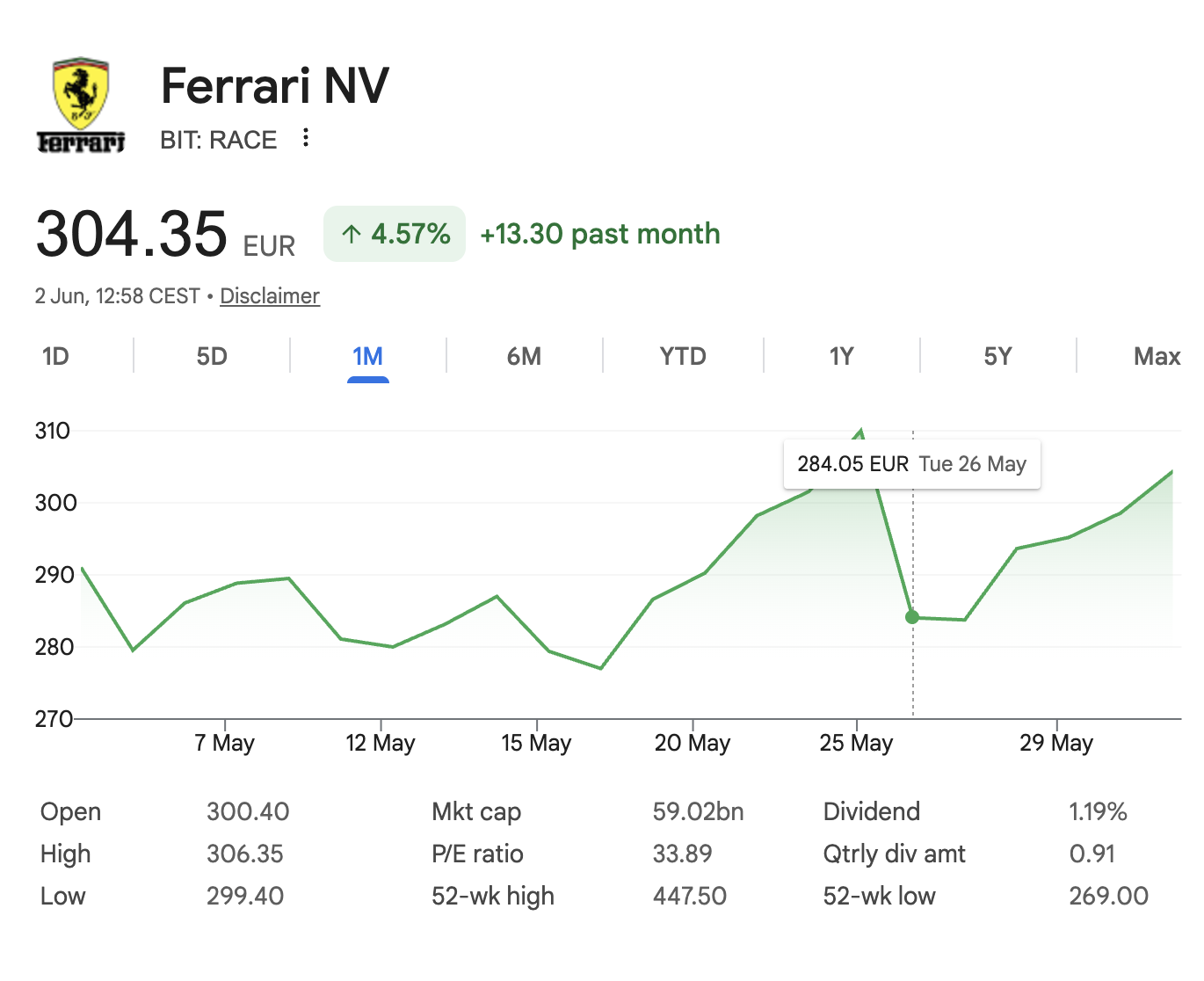
Screenshot Google Finance: Ferrari’s share drop and then spike back up
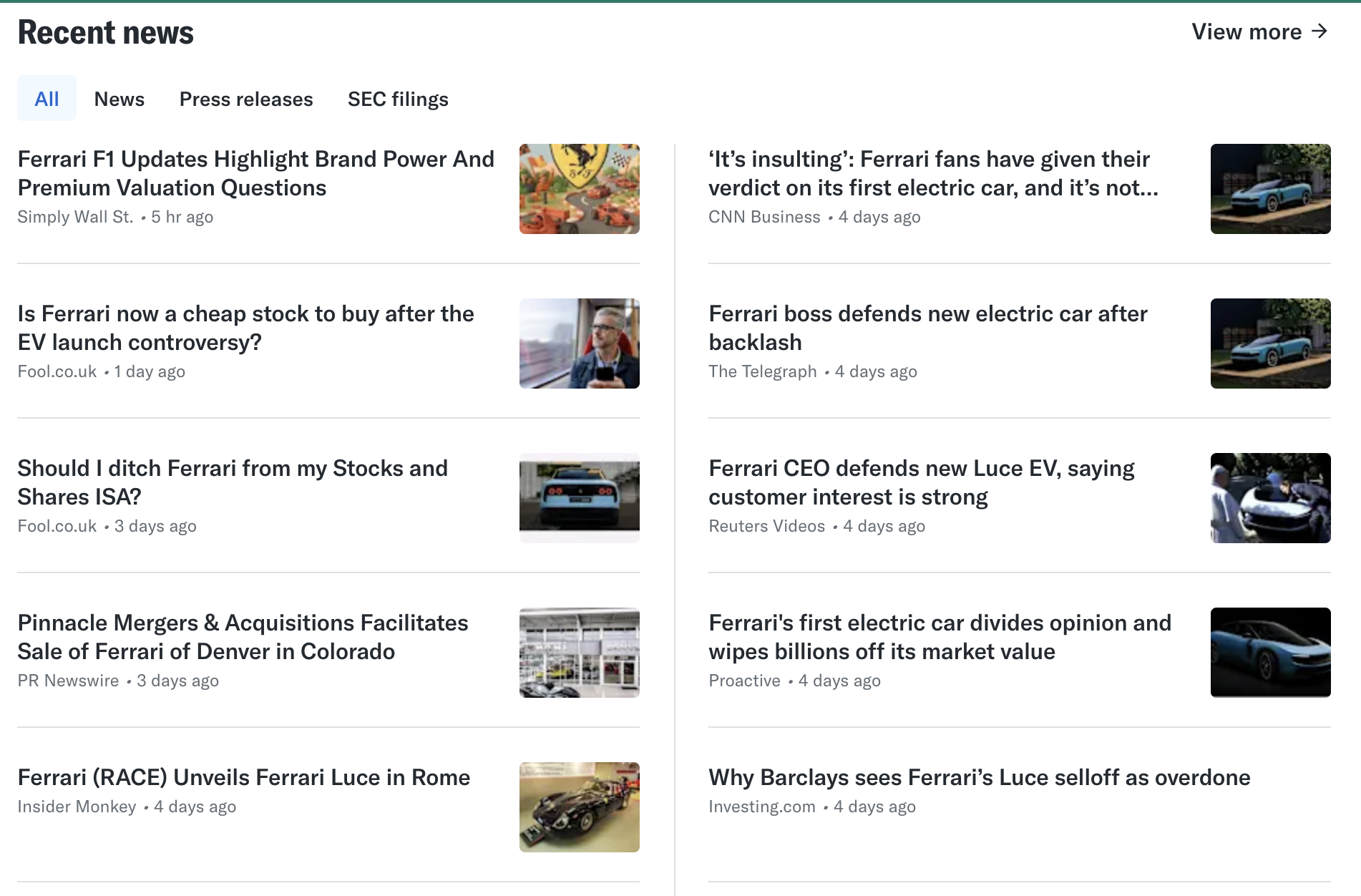
Screenshot Yahoo Finance: Shows major outlets’ mixed reactions to the Luce
But as modern marketing executives, we need to look past the surface noise and understand the genius behind their marketing efforts.
This launch was never about creating a consensus. It was a calculated combustion,a strategic rocket aimed squarely at engineering attention on an unprecedented global scale.
Ferrari didn’t just launch a car; they have rewritten the luxury playbook by methodically decoupling the brand from its acoustic heritage, intentionally polarising their audience, and utterly deactivating traditional media gatekeepers.
Let’s dissect the boardroom reality of this controlled detonation.
1. The Strategic Power of Polarisation (The Power of “No”)
Broadcast marketing is dead. True brand power lies in knowing exactly who your product is not for, and having the executive scar tissue to say it out loud.
Ferrari’s Chief Marketing and Commercial Officer, Enrico Galliera, openly embraced a polarising aesthetic. By delivering a tall, five-seat executive liftback saloon instead of a classic low-slung supercar, he built an immediate filter.
Then came the genius stroke of audience deselection.
Galliera’s explicit statement advising traditional Ferrari owners, “Please don’t buy the Luce,” was a flawless execution of reverse psychology.
It achieved three critical objectives:
It neutralised inevitable criticism by admitting the car wasn’t built for purists.
It created extreme exclusivity by defining who the car was not for. The best marketing combines inspiration and aspiration
It made the Luce instantly magnetic to a new, tech-wealthy global elite who want to distance themselves from “old-money petrolhead culture”.
The data confirms this brutal pivot: 70% of launch invitees were not existing Ferrari drivers but likely made them want one…
The company signalled a massive push to capture younger tech entrepreneurs in Silicon Valley and China who value the LoveFrom minimalist aesthetic over V12 nostalgia.
The polarisation was a deliberate mechanism to engage their legacy customer and energise a far more valuable, future-proof one.
The Marketing Timeline
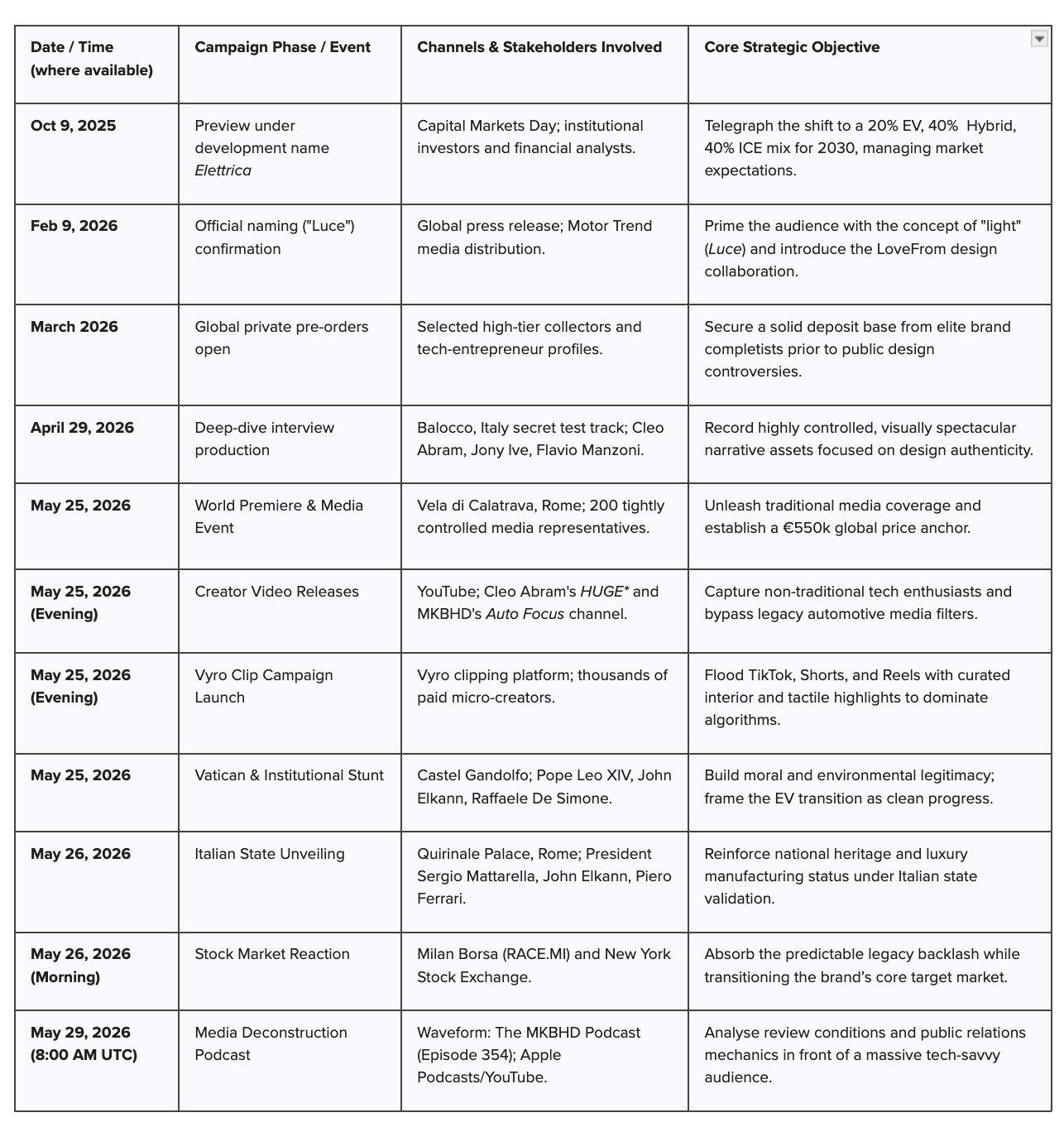
The timeline of the luce launch marketing events
2. A New Blueprint: Creator and Platform-Led Media Strategy
Legacy automotive publications are less powerful and have far less influence.
They evaluate yesterday’s metrics (track-day lap times) rather than tomorrow’s buyers (UX and material honesty).
Ferrari deliberately stepped away from engaging them.
Instead, they orchestrated a dual-track timeline on the evening of May 25, 2026, completely controlling the narrative window:
External Storytelling
Exclusive access was granted to science-tech producer Cleo Abram on HUGE*. Her interview was a masterclass in narrative control, focusing entirely on design philosophy and material honesty. By pairing Sir Jony Ive and Ferrari Design Chief Flavio Manzoni, the content resonated deeply with the design and technology community. This engaged tech twitter, tech press and drew direct comparisons to the shuttered Apple car that Jony Ive was part of.
Simultaneously, Marques Brownlee (MKBHD) dropped a deep dive on Auto Focus, praising the consumer tech experience, the layered OLED instrument cluster, and the tactile feel of physical dials. Crucially, Brownlee later highlighted how Ferrari’s exclusion of critical legacy auto journalists allowed the brand to prevent negative, track-focused comparisons from hijacking the reveal.
Then Internal
Ferrari’s official video series is good, but their 4th instalment is great modern storytelling featuring their F1 drivers Charles Leclerc and Lewis Hamilton, designers from LoveFrom (including Marc Newson) and execs from Ferrari, a good blend for Ferrari fans and outsider commentators.
3. Viral Domination Through Clipping
Mainstream media is losing its punch. Ferrari bypassed costly traditional ad buys and instead leveraged clipping services including Mr Beast’s platform Vyro, a recently launched, decentralised clipping marketplace.
This is one reason why the launch went so far and wide.
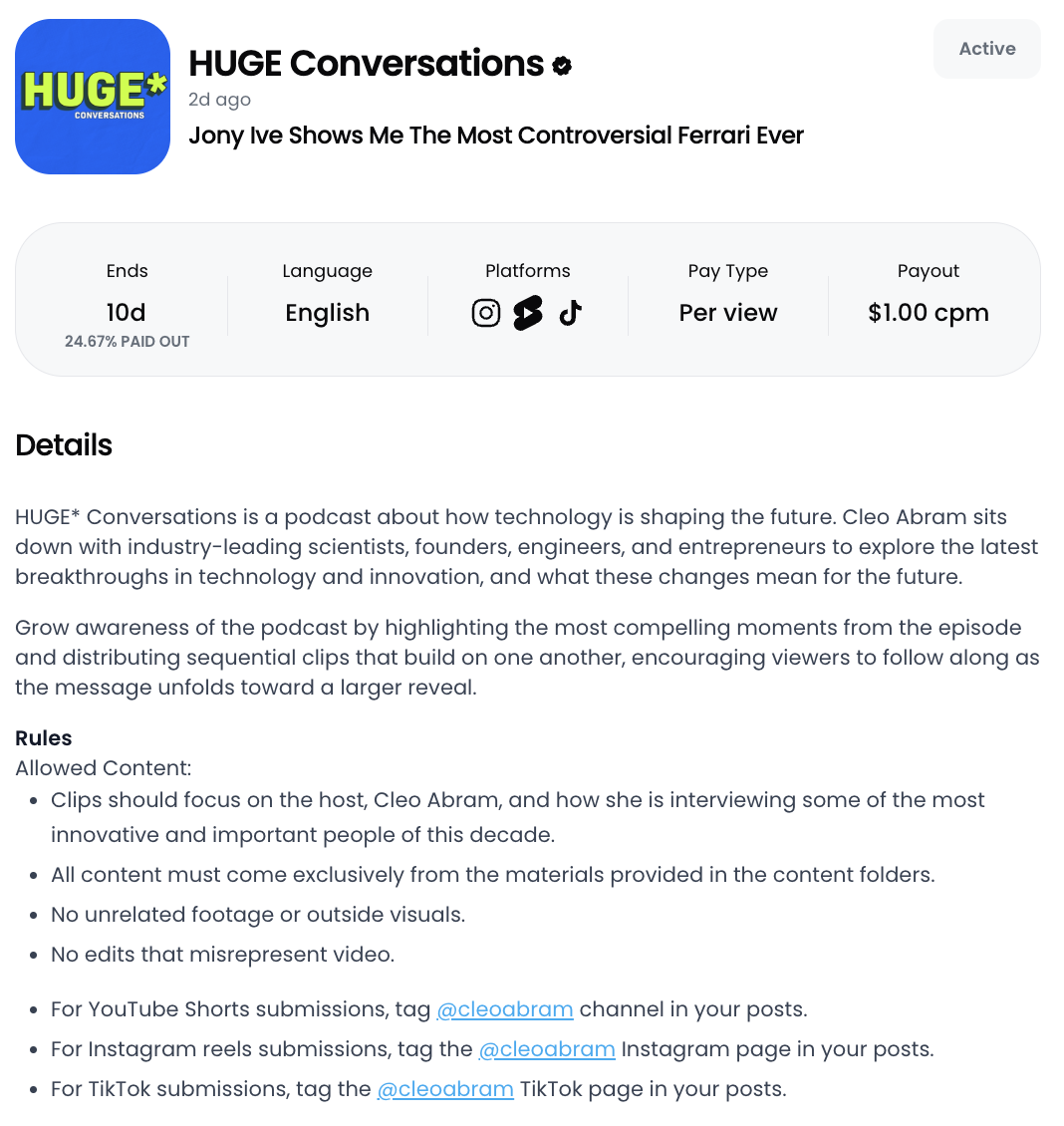
Screenshot Vyro: Here is a preview of the Vyro campaign for clippers
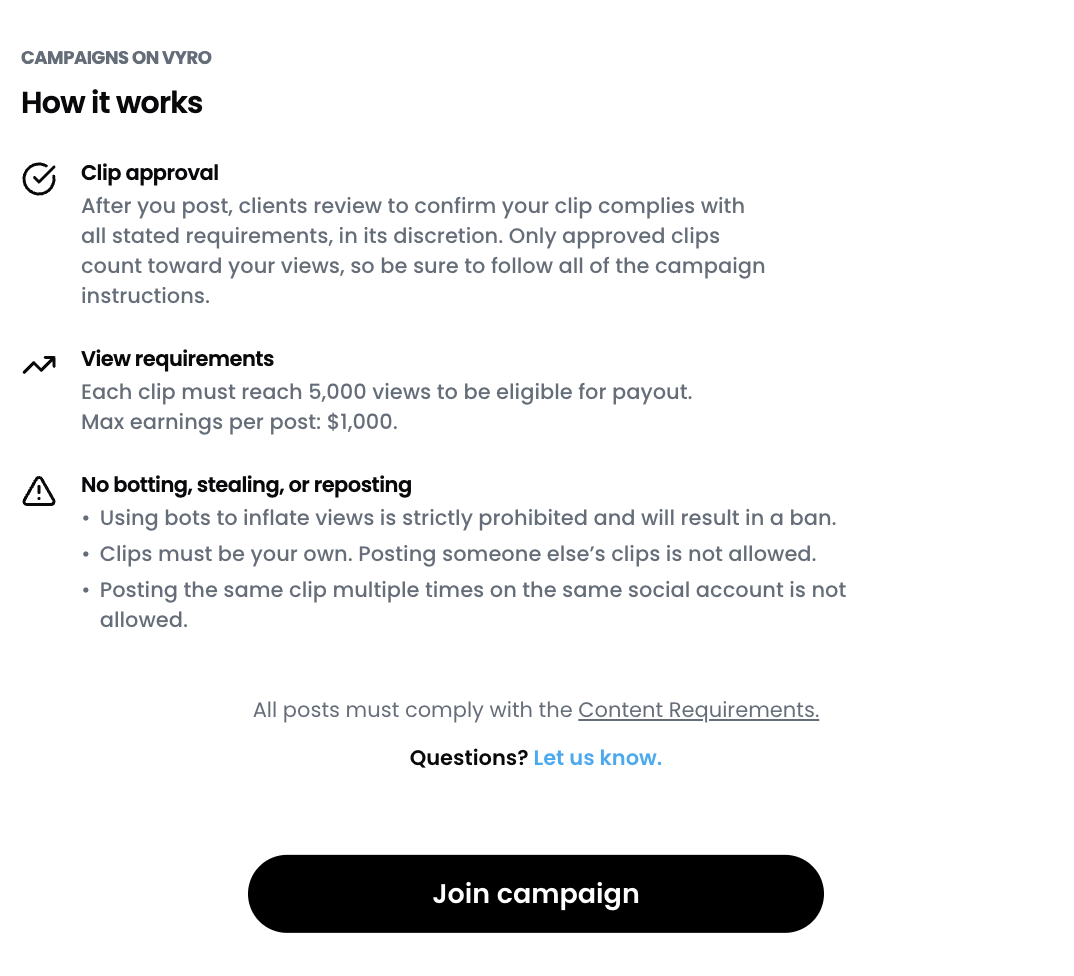
Screenshot Vyro: Most Vyro campaigns highlight the low fees connected to views with clipping. Cleo and team at HUGE* have been smart in protecting brand while promoting her brilliant video
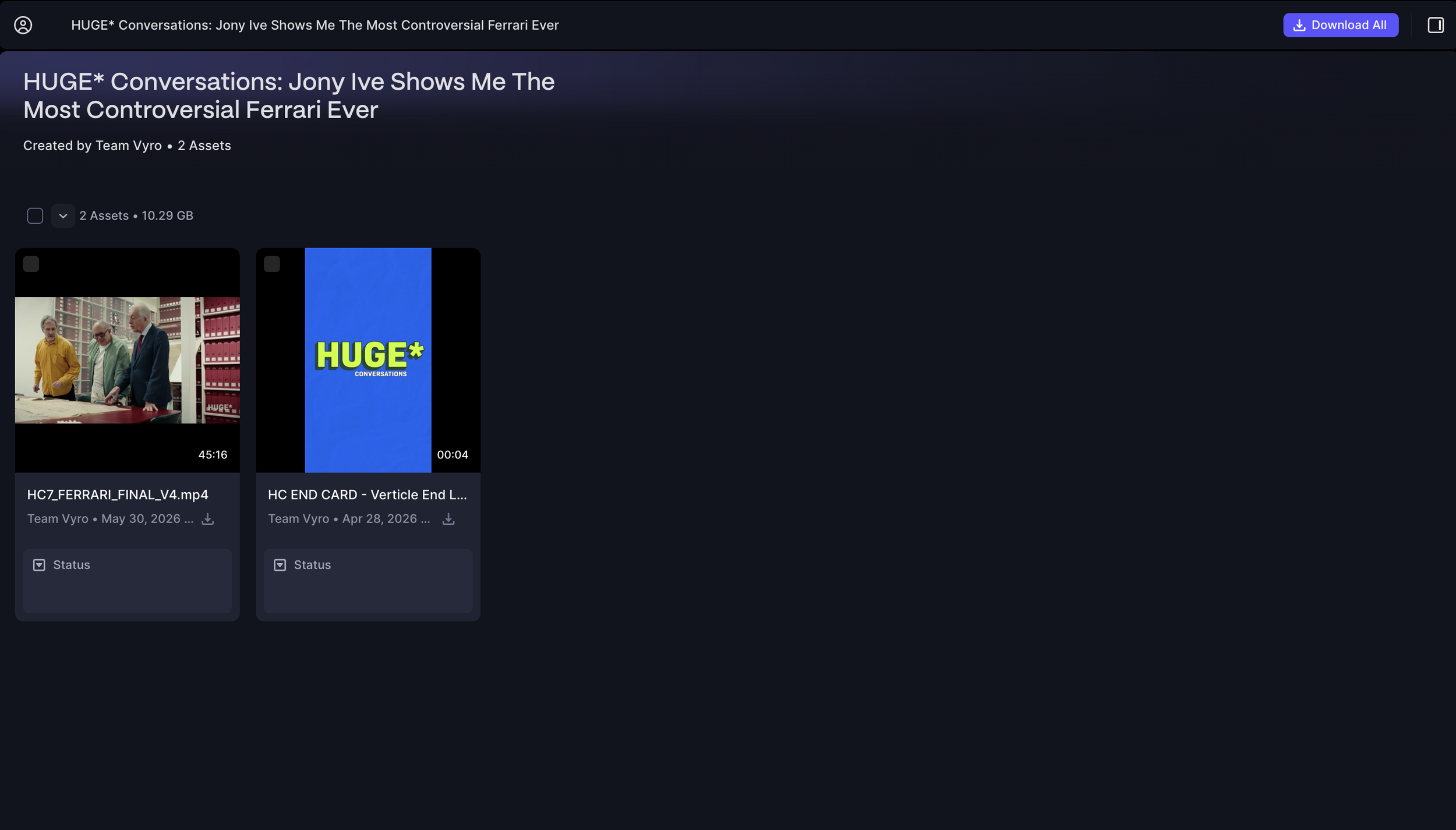
Screenshot From Vyro Campaign: A look at the video files shared
Ferrari indirectly incentivised thousands of independent micro-influencers, “clippers” (via Cleo’s HUGE* brand campaign) to edit and distribute short-form, high-engagement clips of Cleo’s video.
Then, organic clipping and video distribution happen, especially from powerhouses like Marques Brownlee podcast and short-form reviews, knowing these would spread far and wide across TikTok, YouTube Shorts, and Instagram Reels.
This was paired with hundreds of tech journalists and influencers who organically posted and clipped their moments from the HUGE* interview and surrounding tech experts content.
Suddenly, social media algorithms were flooded with high-quality, hyper-focused tactical moments: the prime example was Jony Ive explaining why touchscreens don’t belong in luxury cars, and the satisfying, machined click of aluminium switches.
These details are like bees to honey...
This decentralised army successfully crowded out the negative narrative from purists raging on traditional forums.
This changed the conversation from “where is the engine noise?” to “look at this engineering craftsmanship.”
4. Executive Framing and Institutional Shielding
At the executive table, you cannot let short-term market panic dictate long-term strategy.
Yes, the stock fell 8.4% in Milan trading, erasing $4B in short-term market cap but it bounced back. Ferrari built an institutional shield to weather the storm, and they held strong and the price returned.
How? They manufactured moral and cultural legitimacy by staging high-level institutional stunts, presenting the Luce to Pope Leo XIV at Castel Gandolfo and Italian President Sergio Mattarella at the Quirinale Palace.
This framed the EV as a culturally significant milestone aligned with national industrial pride and carbon neutrality, dampening the purist backlash.
The executive alignment was ironclad. Look at how they reframed the controversy:
Design Chief Flavio Manzoni defended the radical look with boardroom poetry: “Tradition is not the worship of ashes, Tradition is the preservation of fire.”
CEO Benedetto Vigna looked directly at institutional investors and stated: “When you use technology that leapfrogs, the design must also be a leapfrog.”
They positioned Ferrari not as a brand losing its way, but as a bold leader ready to define the ultra-luxury EV segment on its own terms.
In recent years, Jaguar created much hype with a rebrand with a car way off in the future, this time around Ferrari used an incredibly well thought-through plan and executed it to dominate feeds and conversations.
The questions that will need to be asked and answered by the CMO & their exec team in the coming weeks:
Will the luce be a big post-launch success?
Is the product good enough to sell to its richest and biggest critics once the hype dies down?
Will the future new customer invest huge amounts of money in an EV that has a huge price tag vs other EV vehicles that don’t?
Does the car have actual product market fit, can it sustain this hype?
Does Ferrari’s cult status have enough cache to bring Ferrari superfans to an EV that is deliberately different and originally weren’t excited about?
What If Growth Isn’t Consensus?
Let’s challenge conventional marketing thinking.
What if a successful launch isn’t about just keeping your oldest customers happy? What if true growth means intentionally de-prioritising those customers who anchor you to the past, so you can capture the demographic that owns the future?
Ferrari proved that their brand is likely going to be a moat.
By leaning into their uncool truth, blending tradition with targeting a fresher audience, and weaponising decentralised platforms like Vyro, they delivered a new blueprint for how luxury brands must command attention and control their narrative in the digital age.
Are you brave enough to tell 70% of your current market it’s ok not to want to buy your next product?
Have a great end to your week.
Danny Denhard
PS: If you enjoyed today’s reverse-engineered post, check out my reverse engineering of the New Balance playbook
» If you missed last week’s free Google guide to surviving their upcoming AI-first mode,
